Aug 1, 2025
5 min read
From Architecture to UI/UX: How Designing Spaces Shaped My Approach to Digital Products
A personal journey from architecture to UI/UX design, exploring how spatial thinking, structure, and user-centered principles shape my approach to designing digital products.

Before I started designing digital experiences, I was trained to design physical spaces. My background in architecture taught me how people move, think, and interact within an environment, lessons that continue to shape how I approach UI/UX design today.
Architecture is not just about aesthetics; it’s about function, structure, and usability. A well-designed space guides people naturally, without the need for instructions. Similarly, a well-designed digital product should feel intuitive, helping users navigate effortlessly toward their goals.
While studying architecture, I learned how to break complex problems into smaller, manageable components. Every design decision had a purpose, from circulation paths to spatial hierarchy. Over time, I realized I was more interested in how people experience a space than how it looks on paper.
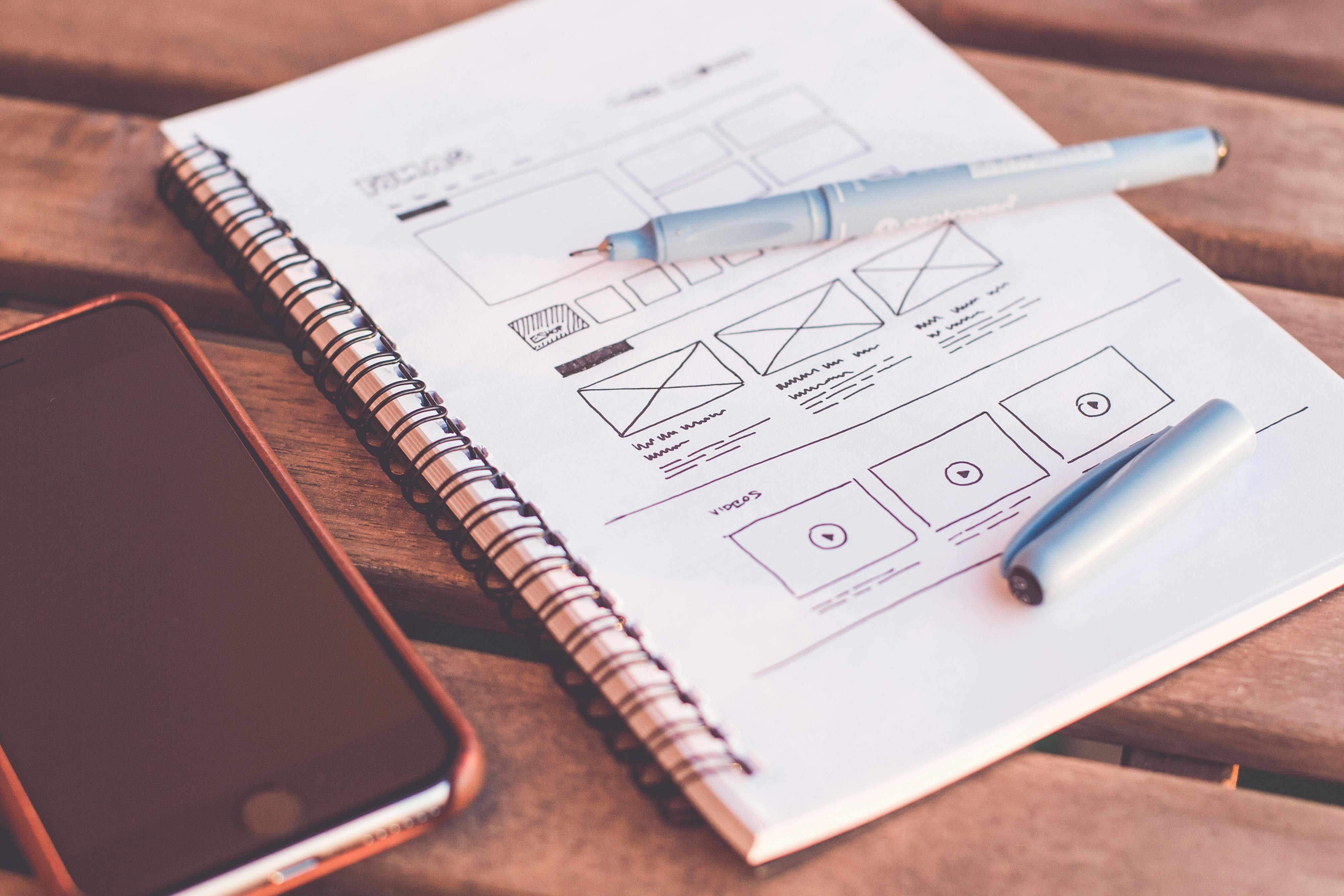
This curiosity eventually led me to UI/UX design. I discovered that digital products follow similar principles: hierarchy, flow, accessibility, and user behavior. Wireframes felt surprisingly familiar, like floor plans for digital experiences. User flows mirrored circulation diagrams, mapping how users move from one point to another.
Transitioning into UI/UX allowed me to apply my architectural mindset in a new medium. I started focusing on usability, clarity, and structure, ensuring every interface element serves a purpose. Just as poor spatial planning can frustrate people in a building, poor UX can create friction in digital products.
My architectural background also trained me to think systematically. Design is not about isolated screens, but about how every part connects to create a cohesive experience. This perspective helps me design scalable interfaces and consistent design systems.
Today, I bring this cross-disciplinary mindset into my UI/UX work. I approach digital products the way I once approached buildings, by understanding users, defining clear paths, and designing experiences that feel natural and intentional.
Moving from architecture to UI/UX wasn’t a shift away from design, it was an evolution. The medium changed, but the core principles remained the same: thoughtful structure, human-centered thinking, and purposeful design.